Building More Accessible Daily Living: Four Product Areas to Consider
- Share
- publisher
- ALK Team
- Issue Time
- Oct 31,2026
Summary
Accessible living is shaped by more than one product. This overview looks at talking appliances, mobility aids, low-vision tools and daily-care support, with practical questions for distributors, care organizations and project buyers.
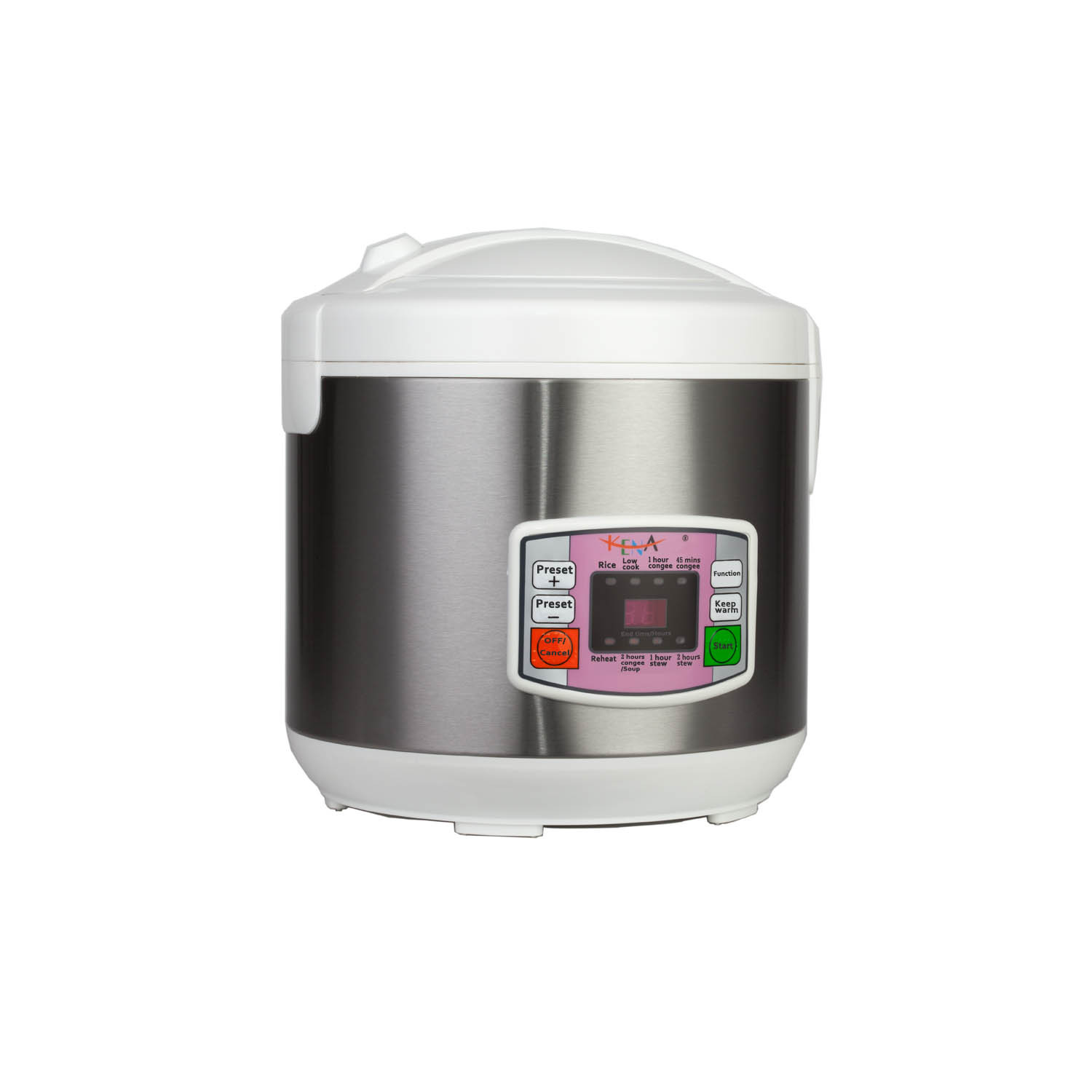
Accessible living is not achieved through one device. A person may need support with cooking, mobility, reading and information access, personal care, or emergency communication. For distributors, care organizations, community programs, and project buyers, the practical question is not simply which product is available, but which combination fits the intended users and the environment in which it will be used.
The ALK website currently organizes relevant products into four broad areas: Talking Braille Electric Appliances, Walking Aids, Low Vision Aids, and Daily Care Aids. These categories can help buyers build a clearer sourcing plan, but no single product should be assumed to suit every user.
1. Accessible Appliances for Everyday Tasks
Cooking and other household tasks often depend on small displays, visual indicators, or controls that are difficult to identify by touch. Talking appliances, tactile markings, larger controls, and clear visual prompts can provide alternative ways to receive information and identify functions.
ALK lists talking and Braille household appliances such as rice cookers, induction cookers, kettles, and other kitchen products. When reviewing a sample, buyers should confirm exactly which functions are announced, which languages are available, whether the tactile or Braille labels are accurate, how alerts are presented, and whether the controls can be located consistently. Safety features and market-specific certification should also be checked for the selected model and destination market.
2. Mobility Aids for Different Environments
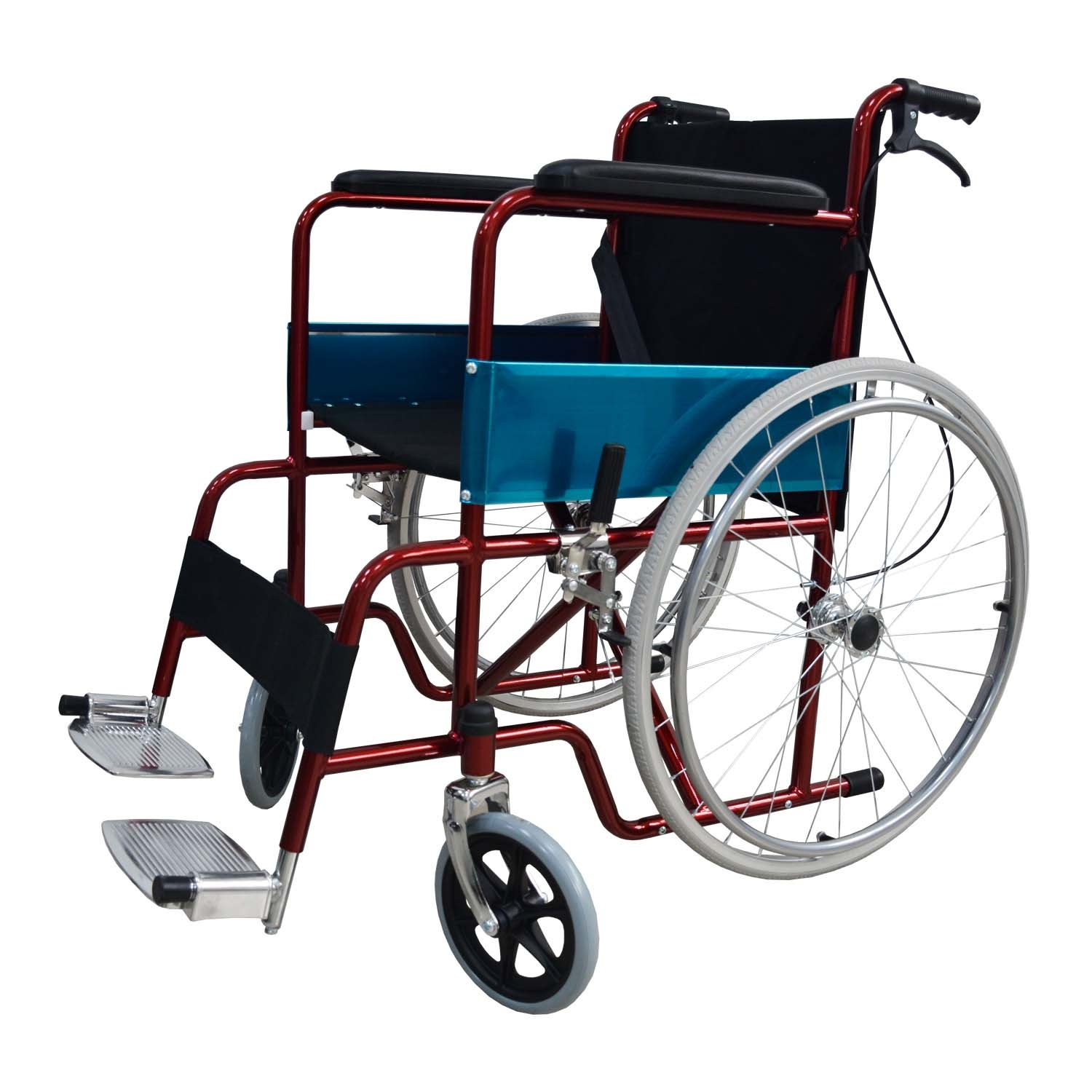
The walking-aids section includes canes, wheelchairs, crutches, and navigation-oriented devices. The right choice depends on the person’s mobility, strength, balance, and typical route. Indoor use, outdoor surfaces, transport, storage, braking, caregiver operation, and local maintenance can all affect suitability.
For wheelchairs and other load-bearing products, buyers should request the model-specific dimensions, rated capacity, materials, folding method, and service information rather than relying on a category description alone. Sample testing in the expected environment is especially useful.
3. Low-Vision and Information Access
The low-vision category includes magnification tools, talking or tactile timepieces, and accessible communication products. These products can support tasks such as reading labels, identifying details, checking time, or receiving information through a non-visual channel.
Important evaluation points include usable magnification and contrast, screen or viewing area, lighting, audio or tactile feedback, language, battery life, portability, and the amount of training required. A product image alone cannot show whether a device is comfortable or effective for a particular user, so demonstrations and user trials should be part of procurement.
4. Daily Care and Home Safety Support
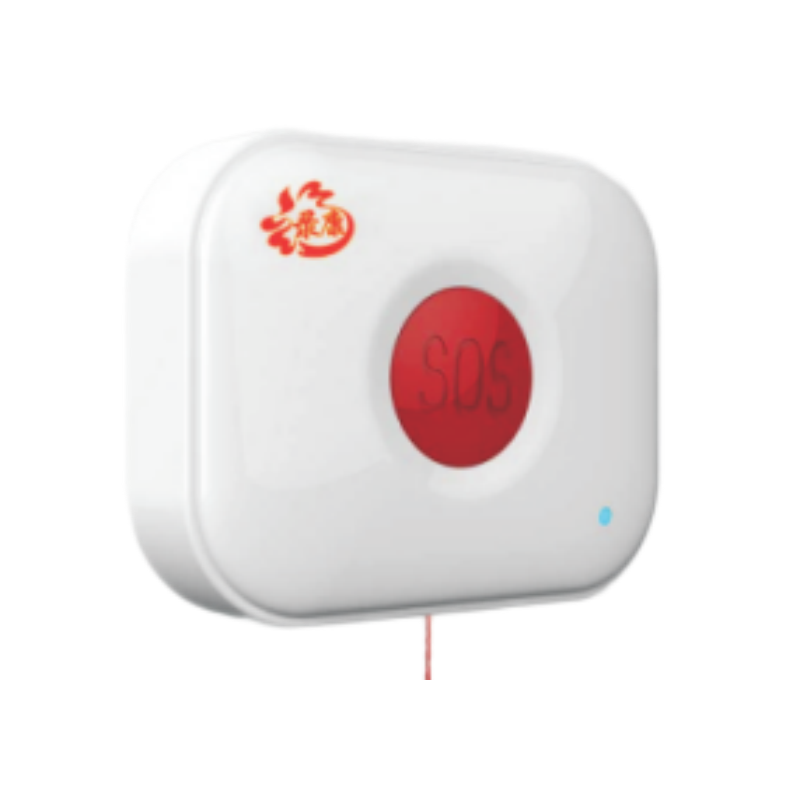
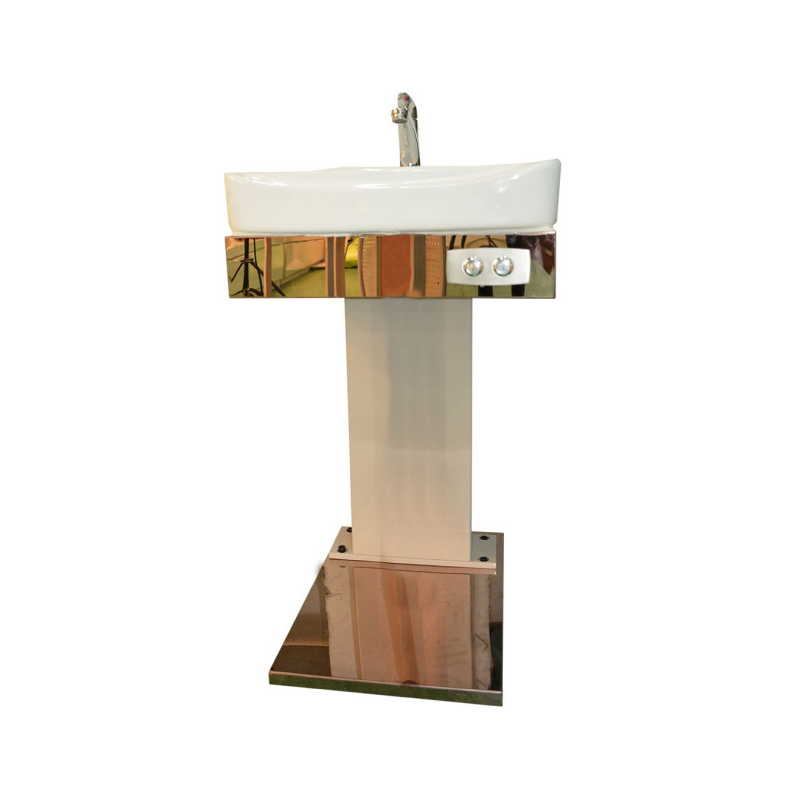
ALK’s daily-care section lists products for bathing, transfer, emergency calling, fall-alert applications, nursing, toileting, and accessible home environments. These products address different tasks and may involve installation, caregiver participation, or connection to other systems.
Buyers should verify who receives an alert, what communication method is used, what happens during a power or network interruption, and whether the product fits local infrastructure. For lifting, bathing, bathroom, or bedside equipment, installation space, transfer method, cleaning, maintenance, and caregiver training should be reviewed. These products should not be treated as a substitute for professional medical or care advice.
Buying a System, Not Isolated Products
A useful sourcing brief should cover the complete user journey. Before requesting a quotation or sample, buyers can prepare the following information:
- the intended users and the daily tasks that need support;
- sensory, mobility, communication, and caregiver requirements;
- preferred language and the required visual, audio, or tactile feedback;
- the home, institution, or community environment in which products will be used;
- installation, power, connectivity, maintenance, and spare-parts needs;
- sample-testing participants and acceptance criteria;
- packaging, instructions, training, certification, target quantity, and delivery market.
This approach helps buyers compare products on practical suitability instead of treating accessibility as a single feature.
Discuss Accessible Living Products for Your Market
ALK supplies talking and Braille household appliances and a range of assistive products for accessible living. To discuss a sourcing project, contact ALK with your intended users, country or market, use environment, preferred language, target quantity, and any customization requirements. Model-specific functions, specifications, certification, and availability should be confirmed during sample evaluation and quotation.